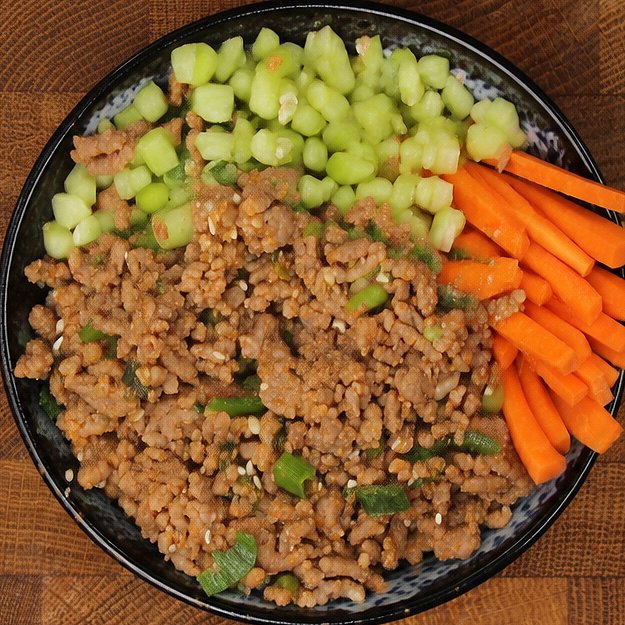
Pulled Pork Rice
A little note: this post contains affiliate links. If you buy through them, we may earn a small commission at no extra cost to you. As an Amazon Associate we earn from qualifying purchases. More about that.
This pulled pork is tender, smoky, and packed with layers of flavor. The pork cooks low and slow in a rich sauce until it practically falls apart, then it’s shredded and folded back into a glossy, sticky glaze that clings to every bite.
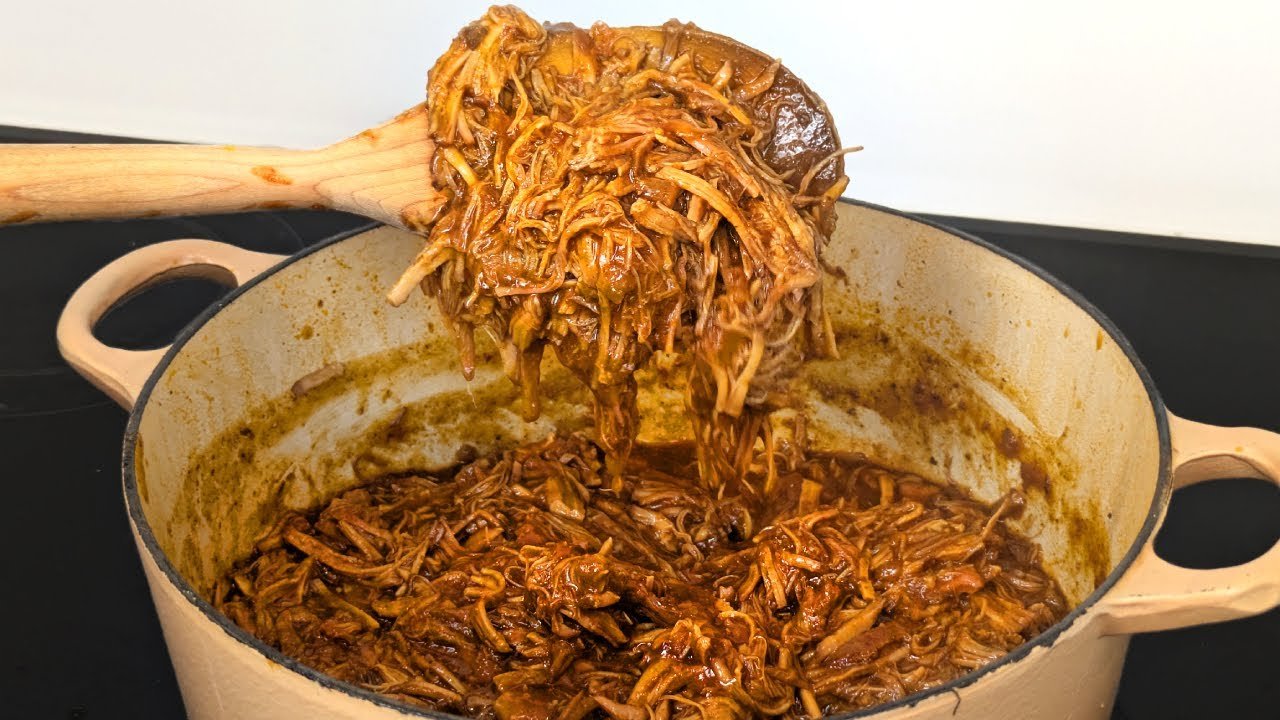
It’s hearty, comforting, and perfect piled onto sandwiches, tacos, flatbread, or just served straight from the pan.
It’s a little prep up front: a dry rub, some searing, and building a flavor base, but after that the pot does the work for you. The result? Pulled pork that’s smoky, slightly sweet, and notorious for leaving no left-overs.
Watch Our Pulled Pork Rice Video Recipe
Prefer to watch the recipe on YouTube instead or just want something to follow along to?
Here is our step-by-step video recipe:
Easy Pulled Pork Rice Recipe
This cozy pulled pork rice recipe is surprisingly approachable and perfect for a comforting dinner or a laid-back weekend meal. After rubbing and searing the pork, then letting it braise low and slow in a deeply savory sauce, the result is a tender, glossy, smoky-sweet dish that feels restaurant-quality but is made entirely at home.
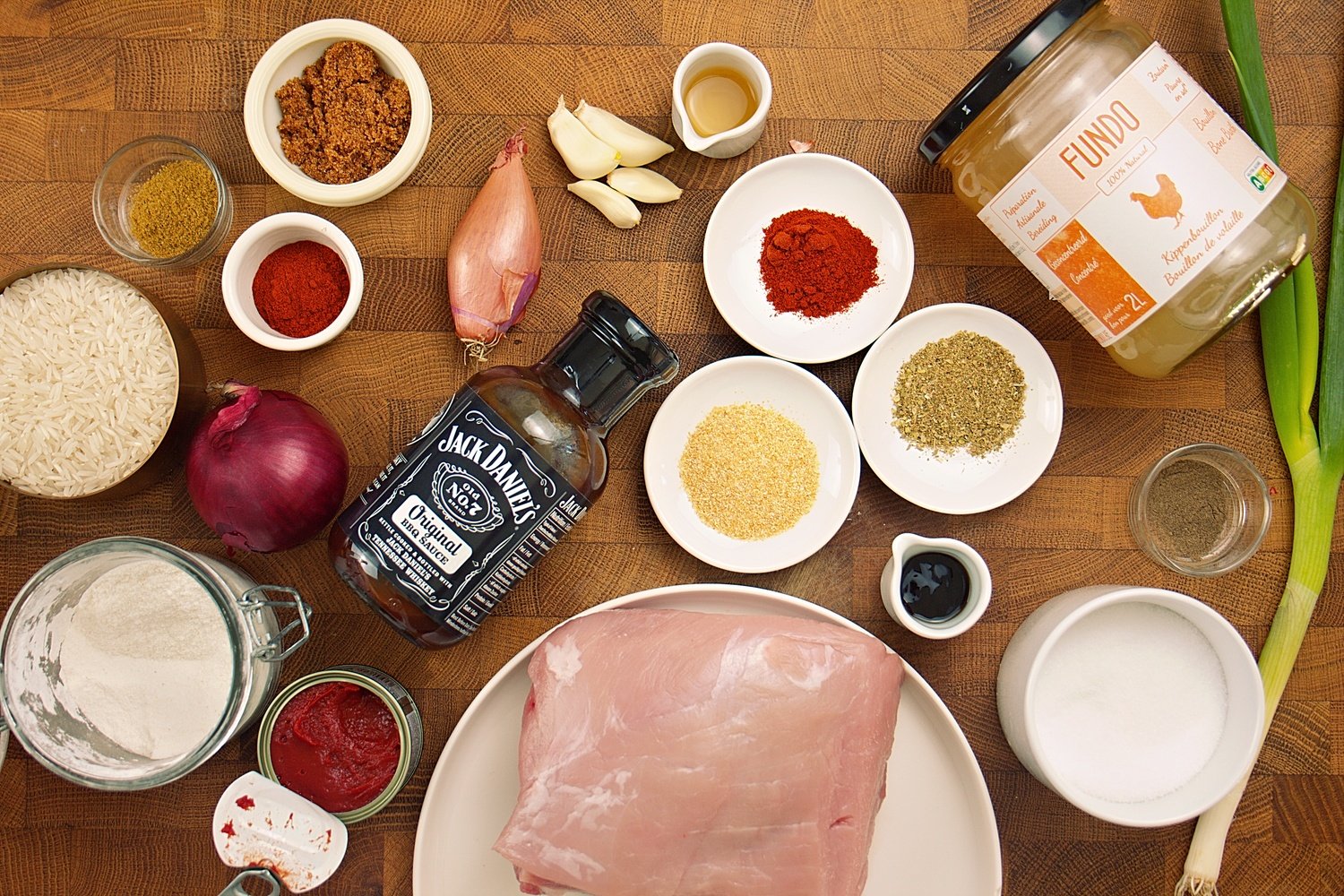
Ingredients for Pulled Pork Rice
- Pork shoulder: This is the heart of the dish and gives you that rich, shreddable texture once it has braised long enough. You can substitute boneless pork butt since it cooks in a very similar way and stays just as tender.
- Salt: Seasons the pork from the start and helps the rub settle into the meat.
- Black pepper: Adds a gentle heat and rounds out the smoky notes in the rub. You can substitute white pepper for a slightly earthier finish.
- La Chinata smoked sweet paprika: Brings a warm, smoky depth that gives the pork its slow-cooked barbecue feel. You can substitute regular paprika, but smoked sweet paprika is really worth buying: it gives all kinds of dishes, this one included, a properly smoky flavor. Any brand works; La Chinata is just the one we use, and we’re very happy with it.
- Garlic powder: Gives the rub an even, savory base that clings well to the pork.
- Olive oil: Helps the pork sear and carries the flavor base as it cooks in the pot. You can substitute a neutral oil like avocado oil if you want a cleaner flavor.
- Red onion: Adds sweetness and body to the braising base as it softens down. You can substitute yellow onion or more shallot since it cooks down in much the same way.
- Shallot: Adds a softer, slightly sweeter onion flavor that layers nicely into the sauce. You can substitute a small onion if that is what you have.
- Garlic cloves: Fresh garlic gives the sauce a deeper, more aromatic savory flavor. You can substitute an extra pinch of garlic powder.
- Dark brown sugar: Balances the acidity in the tomato paste and adds a subtle molasses note. You can substitute rock sugar, honey, or maple syrup for a milder sweetness.
- Dried oregano: Adds a dry, herbal edge that keeps the sauce from feeling too heavy.
- Ground cumin: Adds warmth and a slightly earthy depth that works especially well with pork.
- Sweet paprika: Adds color and a mellow pepper flavor without extra heat.
- Oyster sauce: Adds savory depth and a glossy finish to the braising liquid. You can substitute soy sauce for umami, but mind the saltiness!
- Apple cider vinegar: Cuts through the richness and keeps the sauce balanced. You can substitute rice vinegar for a similarly bright finish.
- Tomato paste: Gives the sauce body, sweetness, and concentrated depth once cooked briefly in the pot. You can substitute canned crushed tomatoes in a smaller concentrated amount, but since we don’t reduce the sauce here, tomato puree works better, though the sauce may be looser.
- Unsalted beef fond: Gives the braise a deeper, fuller flavor and helps build a richer sauce. Go for an unsalted version, so you control how much salt ends up in the dish. You can substitute unsalted chicken fond for a lighter but still savory result.
- Unsalted chicken fond: Keeps the braising liquid balanced and a little lighter alongside the beef fond. Unsalted here too, so you stay in control of the salt. You can substitute more unsalted beef fond if that is what you have on hand.
- BBQ sauce: Brings the sticky, sweet glaze that coats the shredded pork at the end.
- Cornstarch: Thickens the finishing sauce so it clings to the shredded pork instead of pooling underneath. We don’t reduce the sauce in this recipe, because you’d end up with too little of it; the cornstarch lets you keep plenty of sauce while still making it thick and glossy. You can substitute potato starch.
- Jasmine rice: Turns the pulled pork into a full bowl-style meal and soaks up the extra sauce really well. You can substitute warm flatbreads, or swap the rice for noodles: we love this same pulled pork in our miso pulled pork ramen and our spicy pulled pork ramen.
- White sesame seeds: Add a light crunch and a little nutty contrast over the rich pork.
- Scallion greens: Add freshness and a bit of color to the finished bowl. You can substitute chopped chives for a softer onion flavor.
- Fried onions: Add crisp texture and a salty finish that works really nicely with the sticky pork. You can substitute crispy shallots for a similar crunch.
How to Make Pulled Pork Rice
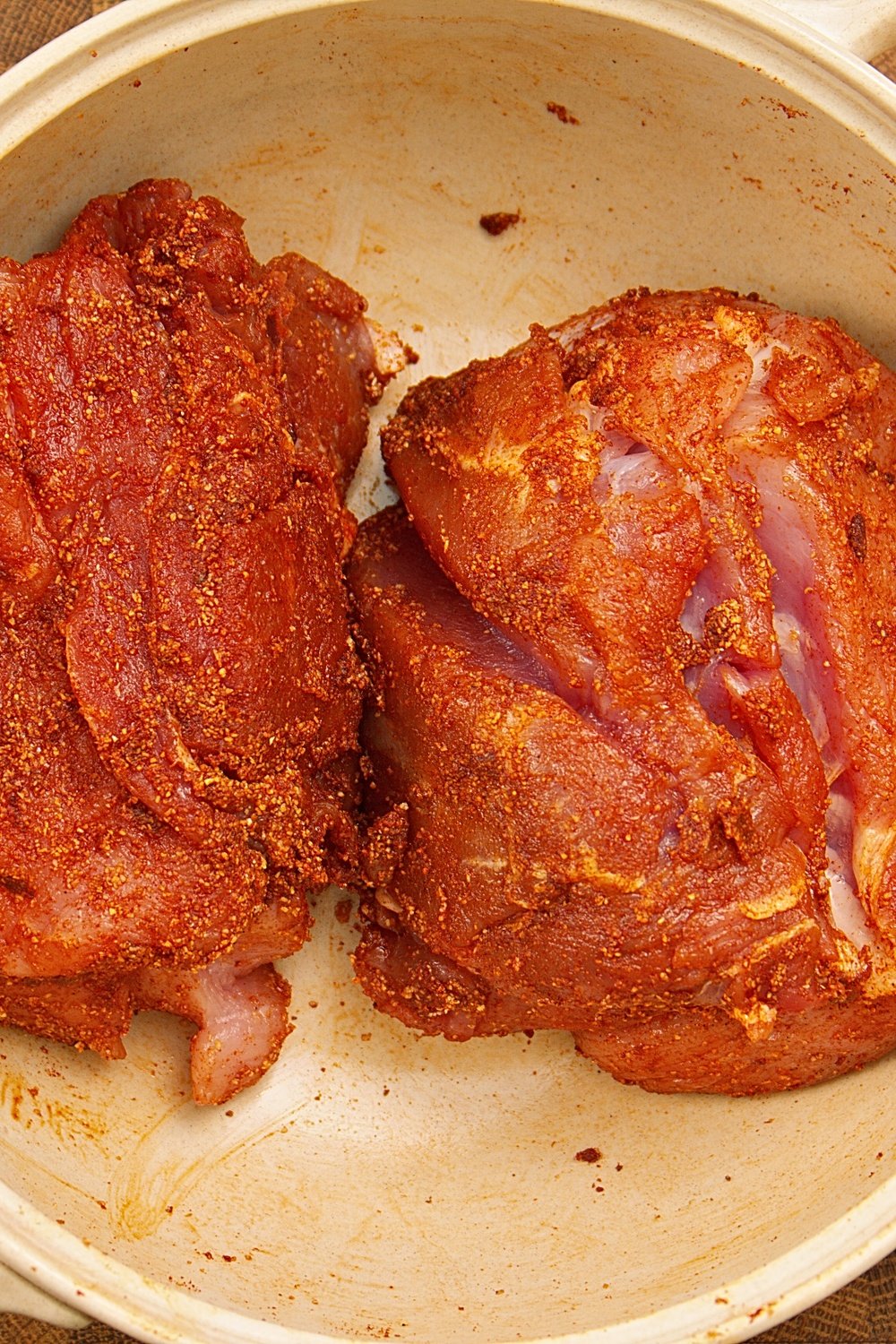
Step 1: Cut the pork shoulder into 4 pieces of the same size and thickness, so they cook evenly and all turn tender at the same time. Coat them evenly with the salt, black pepper, smoked paprika, and garlic powder, then cover and chill for 30 minutes to 4 hours (short on time? See Tip 1). The pork should look evenly seasoned on all sides before it goes into the fridge.
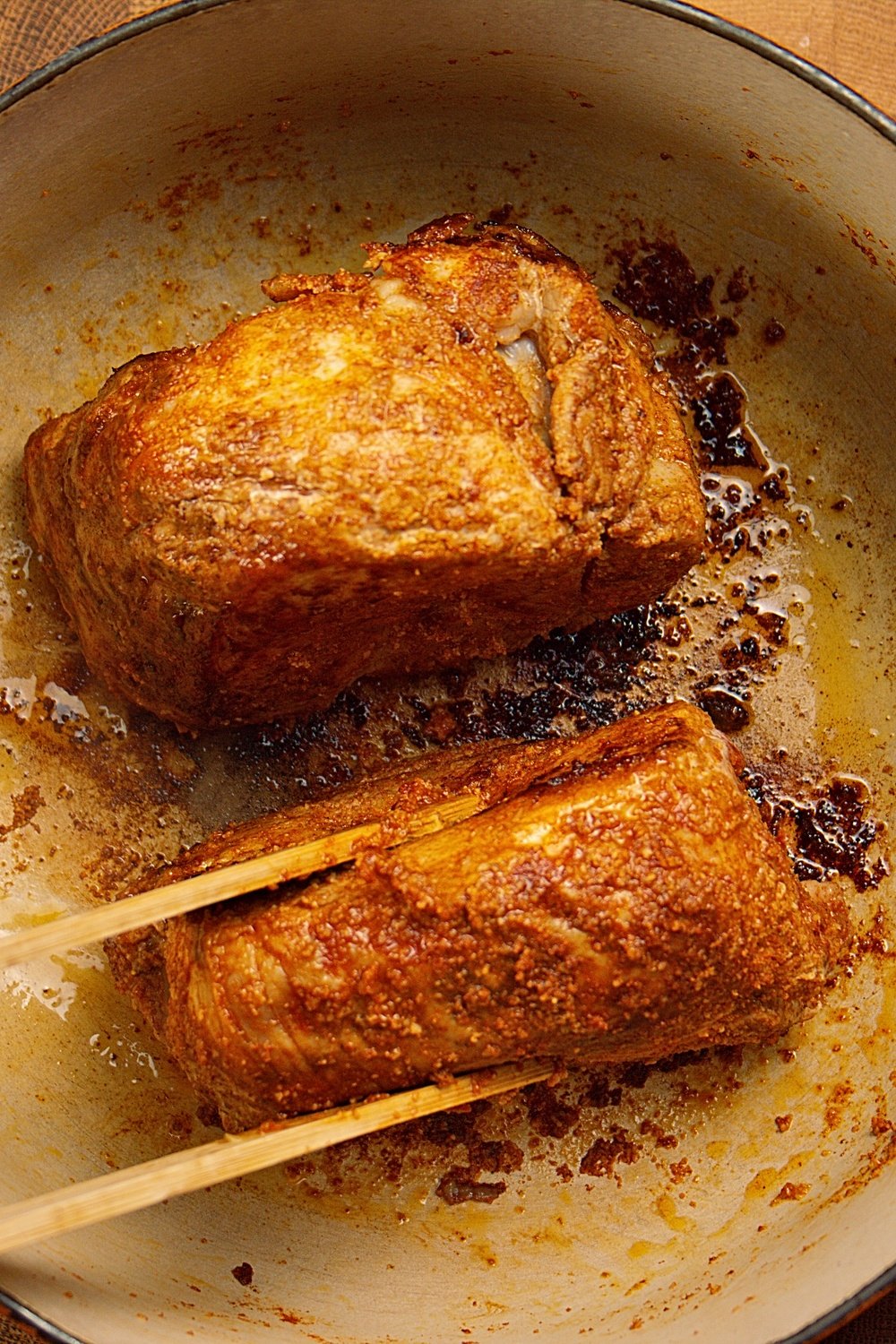
Step 2: Set a large saucepan over medium to medium-high heat (7 on our electric stove; any higher and the spices on the pork burn easily) and add some of the olive oil. Once the oil is hot, sear the pork for about 10 minutes, turning until all sides are golden brown. Add more oil if the pan looks dry. The outside should look well colored, not burnt. Take the pork out and set it aside.
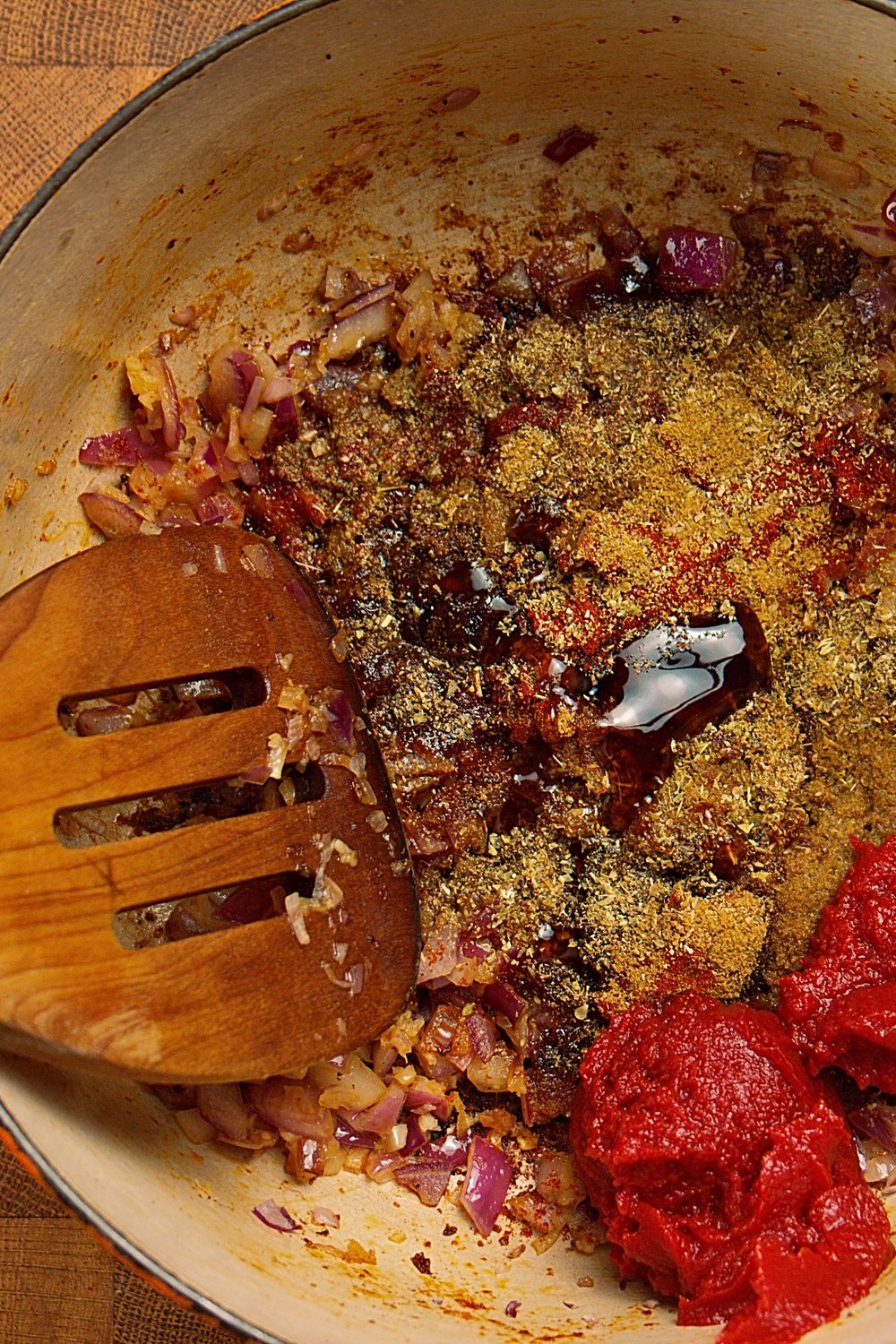
Step 3: In the same pot over medium heat, add more olive oil if needed, then sauté the garlic, shallot, and red onion for 3 minutes until softened and translucent. Stir in the dark brown sugar, oregano, cumin, sweet paprika, oyster sauce, apple cider vinegar, and tomato paste, then cook for 1 minute. The mixture should look thick, glossy, and slightly darker.
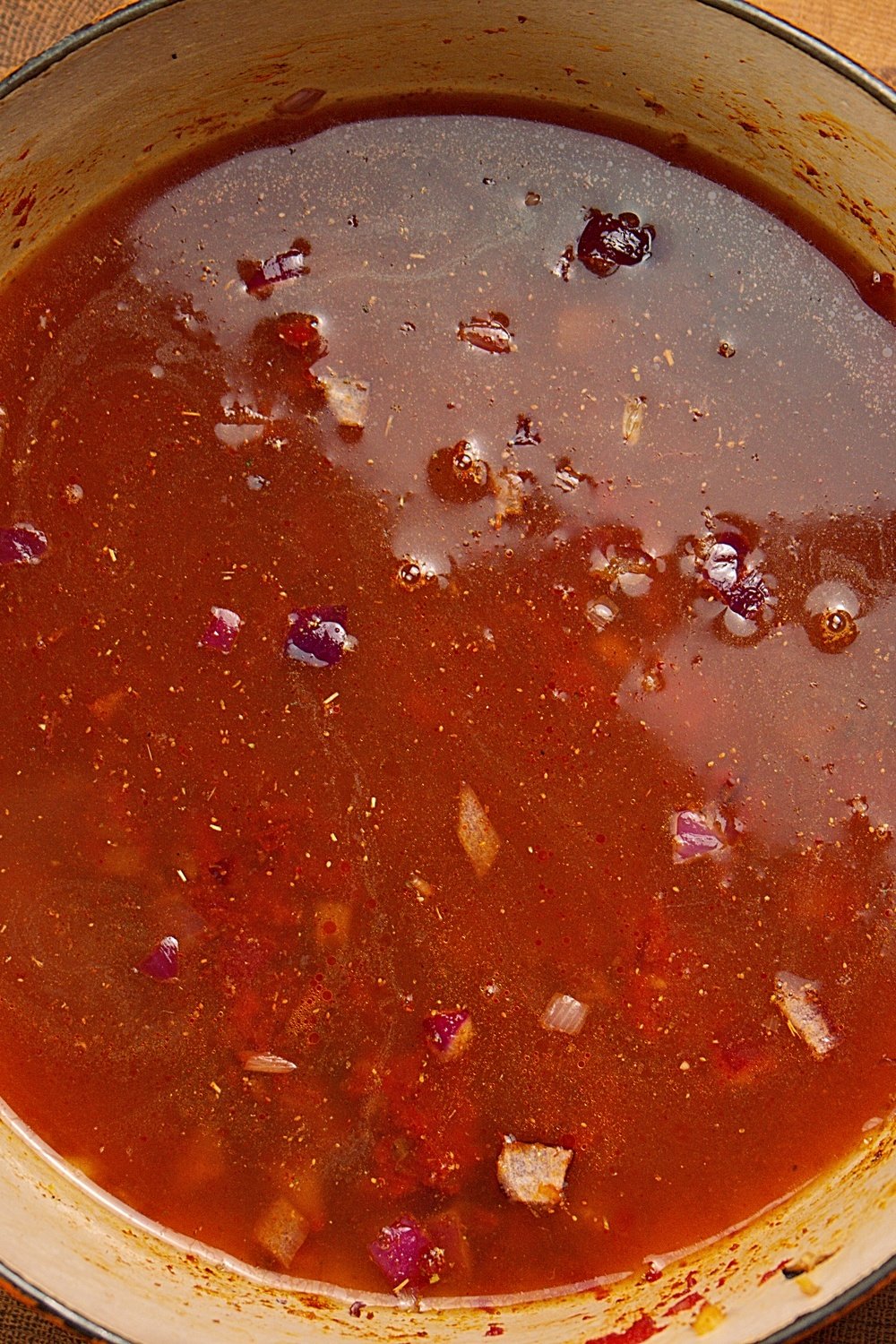
Step 4: Pour in the unsalted beef fond and unsalted chicken fond and bring everything to a boil over medium-high heat. Once boiling, reduce the heat to low (3 on our electric stove), return the pork to the pot, put the lid on, and simmer for about 3 hours. Turn the pork every 30 minutes so it cooks evenly and doesn’t stick to the bottom. The liquid should stay at a gentle simmer, not a rapid boil.
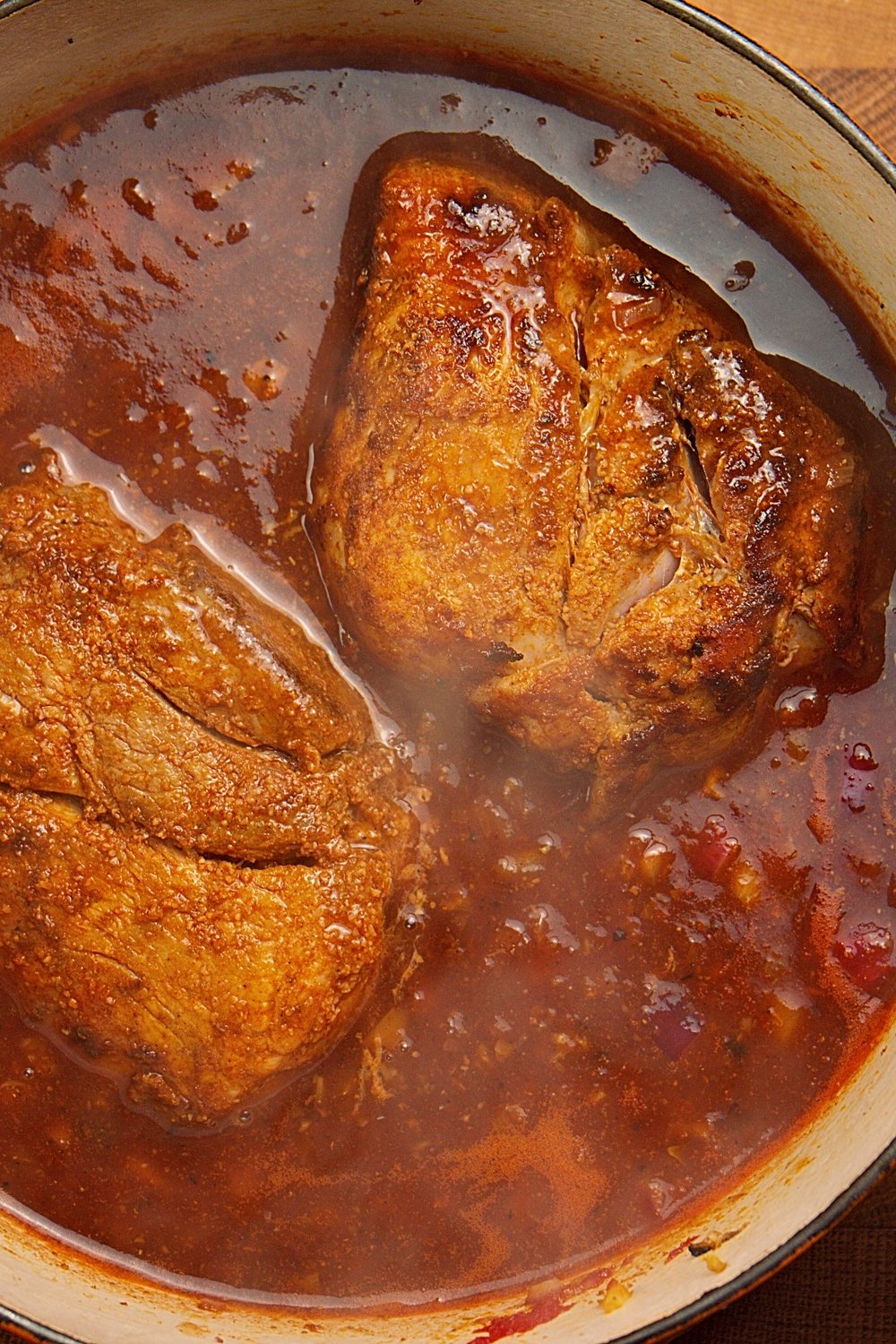
Step 5: Keep turning the pork every 30 minutes. After about 2 to 3 hours, the pieces will start to fall apart as you turn them. When that happens, give it one more 30 minutes with the lid on, and then it’s ready to shred. This is exactly why the pieces need to be the same size: otherwise some are done while others still need more time.
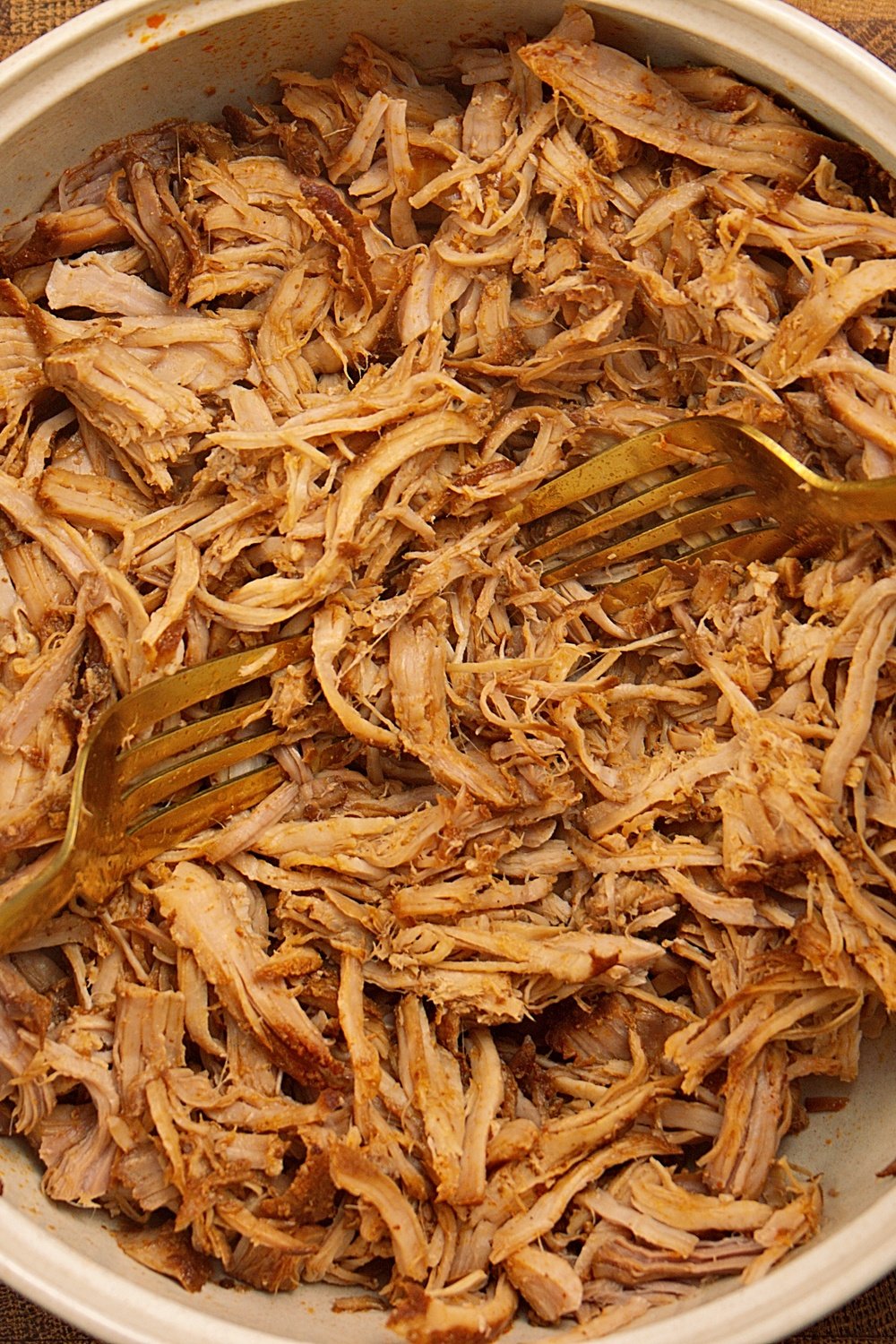
Step 6: Transfer the pork to a bowl and shred it using 2 forks. It should pull apart easily into strands with very little resistance. If it doesn’t, put it back in the pot for a little longer.
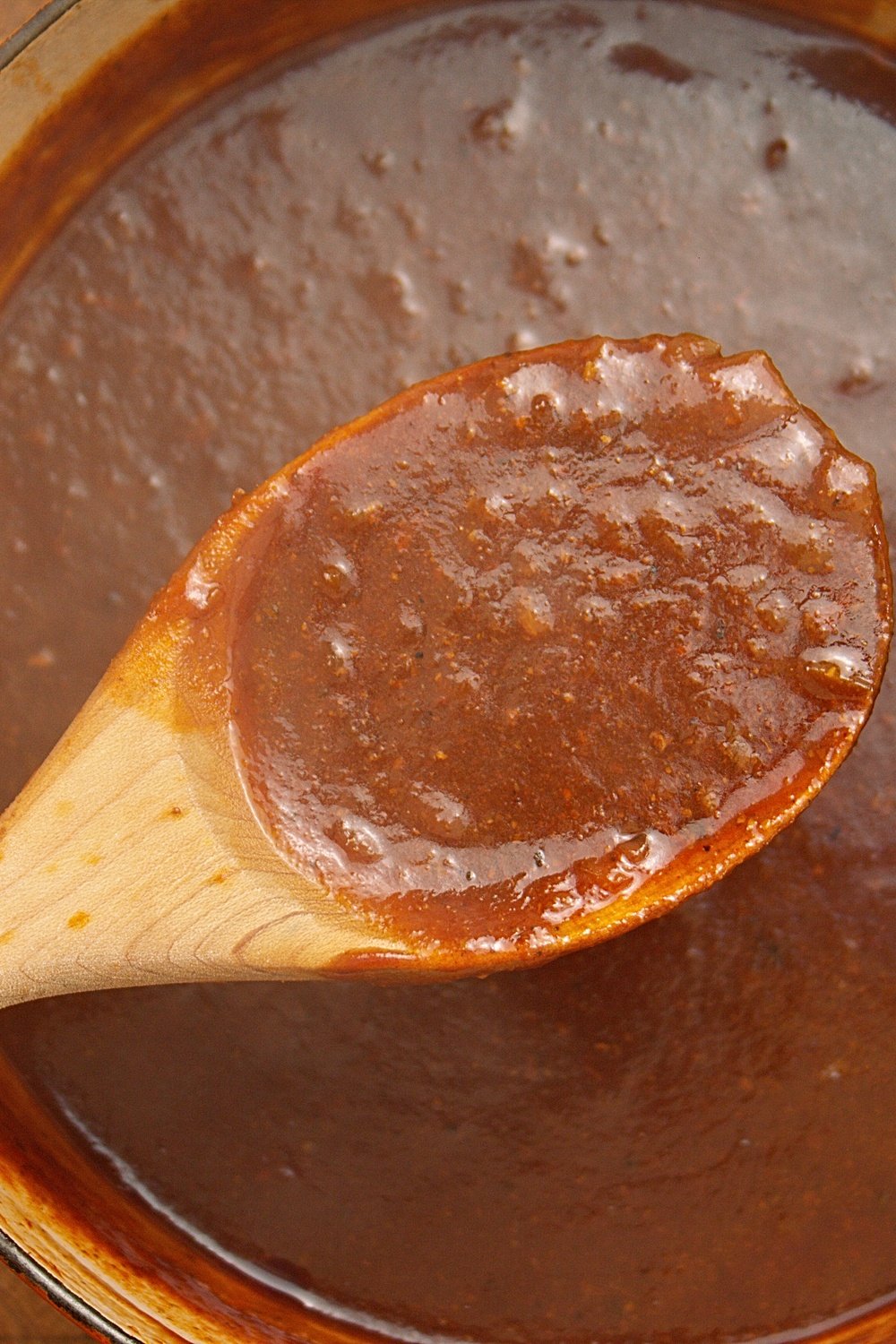
Step 7: Bring the braising liquid back to a boil over medium-high heat, with the lid off. Add the BBQ sauce and boil for 1 to 2 minutes, then reduce the heat to medium (about 5 on our electric stove) and stir in 1 tablespoon of the cornstarch. Keep stirring for about 10 minutes, adding up to 1 more tablespoon if you want it thicker. You’re not reducing the sauce here: the cornstarch does the thickening, so you keep plenty of it. The sauce should thicken into a glossy glaze that coats the spoon.
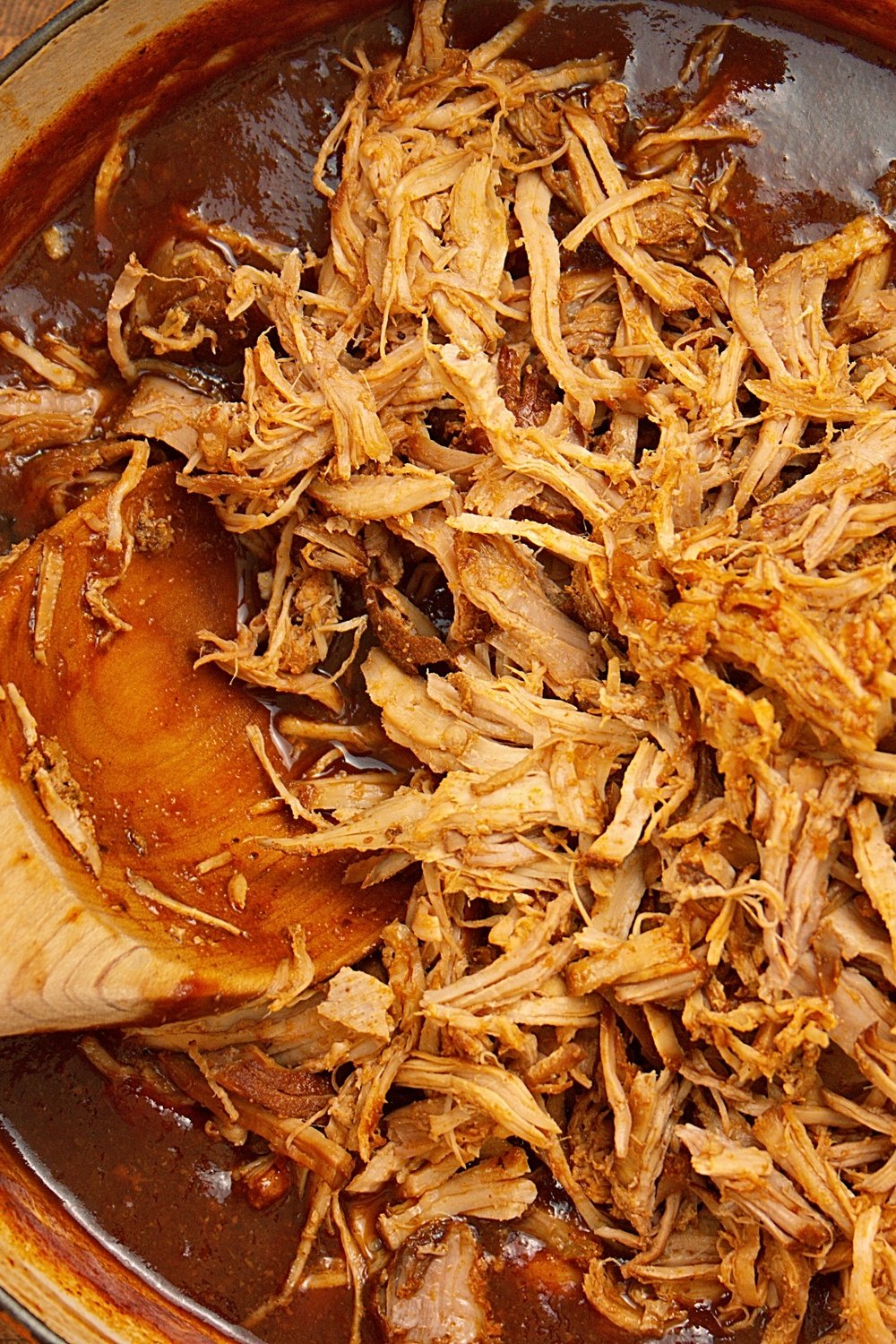
Step 8: Reduce the heat to low (3 on our electric stove) and return the shredded pork to the pot. Stir until everything is well coated, then remove from the heat. The pork should look evenly glazed and juicy.
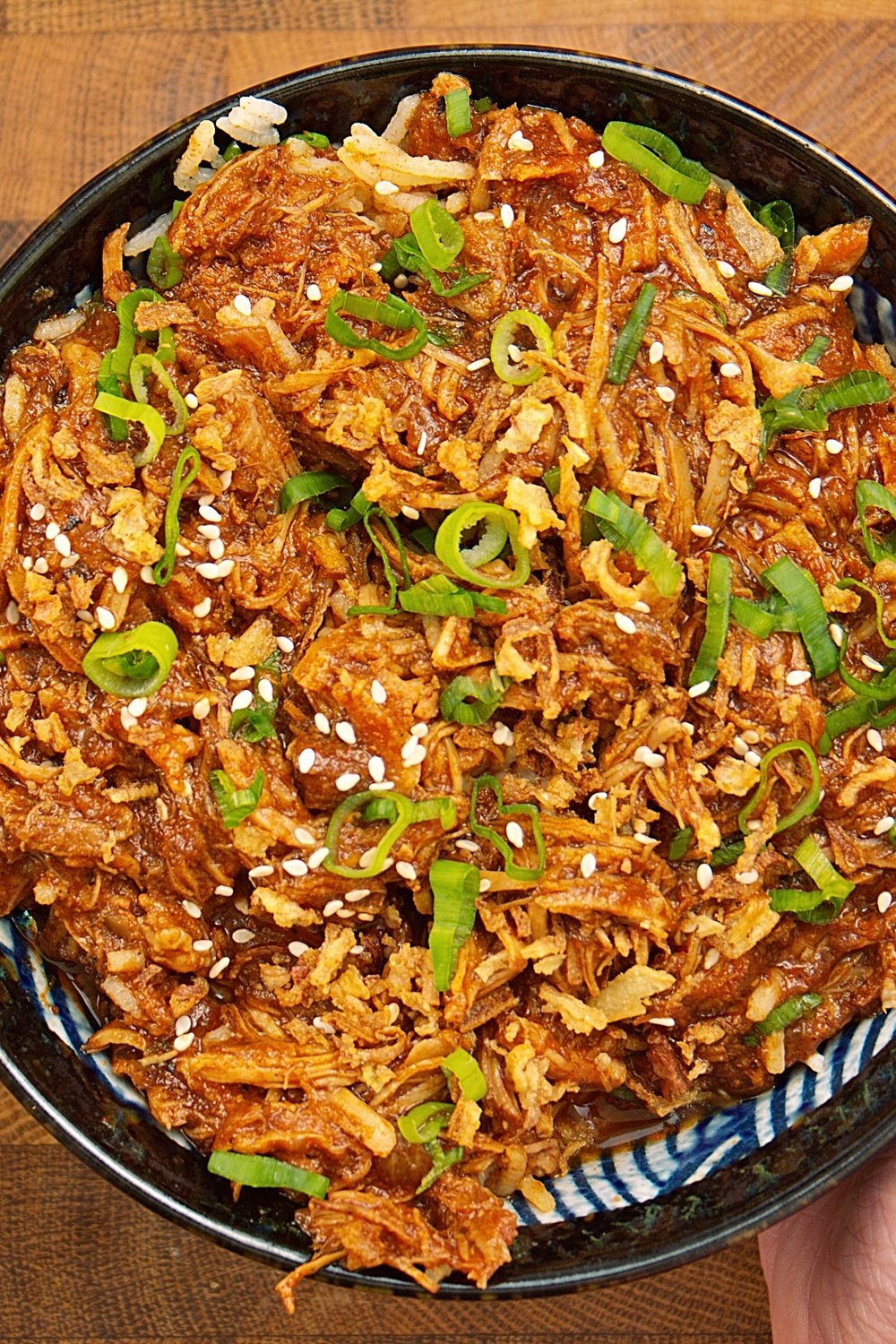
Step 9: Serve the pulled pork over jasmine rice while hot, then top with white sesame seeds, sliced scallion greens, and fried onions. The finished bowl should look glossy, rich, and layered with a little crunch on top.
Substitute Pork Shoulder with Boneless Pork Butt
This substitution works because boneless pork butt has a similar fat content and connective tissue, so it stays moist during a long braise and shreds in much the same way. Prepare it exactly as written by cutting it into equal chunks, coating it with the rub, and searing before braising. The texture will stay rich and tender, though it can sometimes be slightly fattier, which may make the finished sauce feel a little fuller.
Tips for Making Pulled Pork Rice
Tip 1: If you have the time, let the pork sit with the rub for up to 4 hours so the seasoning can settle into the meat. If you don’t, that’s fine too: we recently made this without letting the pork rest with the spices at all, and it was still delicious.
Tip 2: Keep the simmer gentle during the braise. If the heat is too high, the liquid can reduce too quickly before the pork has fully softened.
Tip 3: Don’t let the sauce reduce too much at the end. Thicken it with enough cornstarch instead, so you keep plenty of sauce that still coats the shredded pork instead of sliding off.
Make-Ahead Instructions
This dish can be made 1 day in advance and stored in the refrigerator in an airtight container. The flavor tends to deepen overnight as the pork continues to absorb the sauce, and the spices feel a little more rounded the next day. Store the rice separately if possible so it keeps a better texture.
Storing Leftovers
Store leftovers in airtight containers in the refrigerator for up to 4 days. Keep the pulled pork and rice in separate containers when possible. The sauce will thicken as it chills, and the rice may dry out slightly, but both reheat well with a little moisture. Alternatively, cook the rice fresh and just keep the pulled pork in the fridge.
Freezing Instructions
Freezing is recommended for the pulled pork itself, we do it all the time! Let it cool fully, then transfer it to a freezer-safe airtight container or freezer bag with some of the sauce to keep it from drying out. Freeze for up to 3 months. After thawing, the texture may be a little softer and the sauce will not be as vibrant, but the pork should still stay tender and flavorful. Keeping a stash of frozen pulled pork is actually how we use it most: we turn it into other dishes, like our Miso Pulled Pork Ramen and Spicy Pulled Pork Ramen, or we eat it with our saffron flatbreads or our scallion pancakes. As far as the rice goes, we always cook it fresh and that’s what I’d recommend.
Reheating Instructions
Reheat the pulled pork in a saucepan over low heat (3 on our electric stove), with the lid on, stirring occasionally until fully warmed through. Add a splash of water or broth if the sauce feels too thick. Rice can be reheated separately in the microwave or on the stove with a small spoonful of water to help bring back some softness.
Serving Suggestions
This is especially good served as a rice bowl with extra scallions and sesame on top for freshness. For a fuller meal, pair it with a crisp slaw, quick-pickled onions, or simple roasted vegetables. It also works well for casual dinner parties, meal prep lunches, or a cozy set-it-on-the-table kind of weekend meal. The pulled pork itself is flexible enough to spoon into sandwiches, tacos, or flatbread too!
Print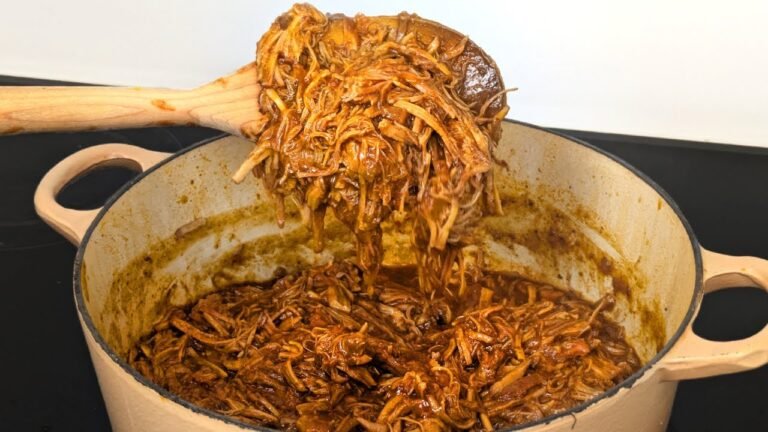
Pulled Pork Rice
This pulled pork is tender, smoky, and packed with layers of flavor. The pork cooks low and slow in a rich sauce until it practically falls apart, then it’s shredded and folded back into a glossy, sticky glaze that clings to every bite. It’s hearty, comforting, and perfect over jasmine rice, piled onto sandwiches, tacos or flatbread, or just served straight from the pan.
- Total Time: 4 hours 10 minutes
- Yield: 6 servings 1x
Ingredients
- 1 kg (2 lbs) pork shoulder, cut into 4 pieces of the same size and thickness
- 1/2 tsp salt
- 1/2 tsp black pepper
- 1/2 tbsp smoked sweet paprika
- 1/2 tbsp garlic powder
- 2 tbsp olive oil, divided
- 1 large red onion, finely chopped
- 1 shallot (or small onion), finely chopped
- 3 garlic cloves, minced
- 1 tbsp dark brown sugar
- 1/2 tbsp dried oregano
- 1 tsp ground cumin
- 1/2 tbsp sweet paprika
- 1/2 tbsp oyster sauce
- 1/2 tbsp apple cider vinegar
- 70 g (about 1/4 cup) tomato paste
- 400 ml (about 1 2/3 cups) unsalted beef fond
- 200 ml (about 3/4 cup) unsalted chicken fond
- 1/2 cup BBQ sauce
- 1 to 2 tbsp cornstarch
- cooked jasmine rice, for serving
- white sesame seeds, for serving
- sliced scallion greens, for serving
- fried onions, for serving
Instructions
- Cut the pork shoulder into 4 pieces of the same size and thickness, so they all turn tender at the same time. Coat evenly with the salt, black pepper, smoked paprika, and garlic powder. Cover and refrigerate for 30 minutes to 4 hours (you can skip the resting if you’re short on time).
- Heat some of the olive oil in a large saucepan over medium to medium-high heat (7 on our electric stove; higher burns the spices). Sear the pork for about 10 minutes until golden on all sides, adding more oil if needed. Remove and set aside.
- In the same pot over medium heat, add more olive oil if needed and sauté the garlic, shallot, and red onion for 3 minutes until translucent. Add the dark brown sugar, oregano, cumin, sweet paprika, oyster sauce, apple cider vinegar, and tomato paste, then cook for 1 minute.
- Pour in the unsalted beef fond and unsalted chicken fond and bring to a boil over medium-high heat. Reduce the heat to low (3 on our electric stove), return the pork to the pot, put the lid on, and simmer for about 3 hours, turning the pork every 30 minutes.
- After about 2 to 3 hours, the pieces will start to fall apart as you turn them. Give them one more 30 minutes with the lid on, then they’re ready to shred.
- Transfer the pork to a bowl and shred with 2 forks. It should pull apart easily; if not, return it to the pot a little longer.
- Bring the braising liquid back to a boil over medium-high heat with the lid off, add the BBQ sauce, and boil for 1 to 2 minutes. Reduce to medium (about 5 on our electric stove), stir in 1 tbsp cornstarch, and keep stirring for about 10 minutes, adding up to 1 more tbsp for a thicker sauce. Don’t reduce the sauce; the cornstarch does the thickening so you keep plenty of it.
- Reduce the heat to low (3 on our electric stove), return the shredded pork to the pot, and stir until evenly coated. Remove from the heat.
- Serve over jasmine rice and top with white sesame seeds, sliced scallion greens, and fried onions.
- Prep Time: 40 minutes
- Cook Time: 3 hours 30 minutes