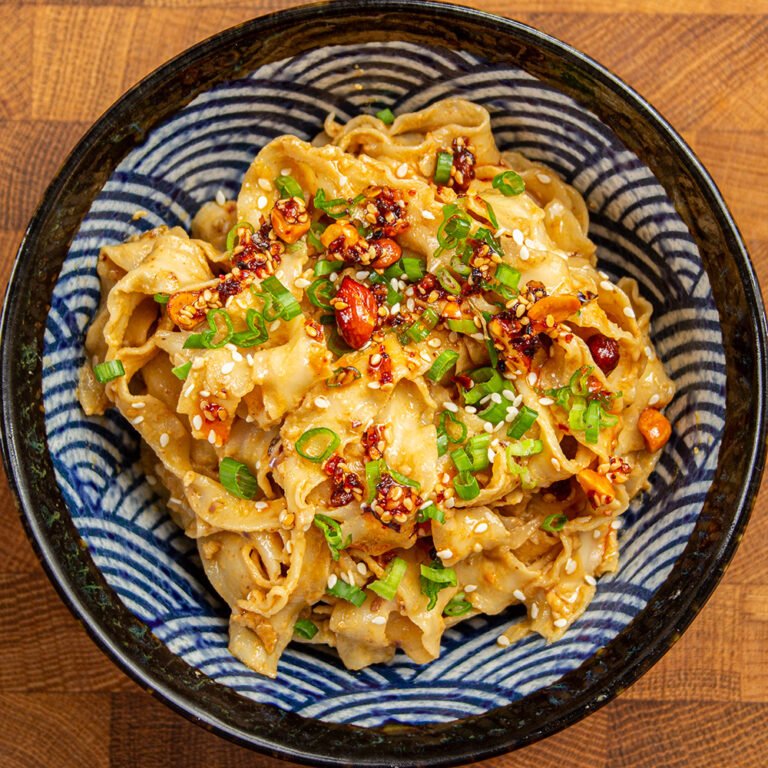
Creamy Tantanmen With Pork Mince, Coconut Broth, and Doubanjiang
A little note: this post contains affiliate links. If you buy through them, we may earn a small commission at no extra cost to you. As an Amazon Associate we earn from qualifying purchases. More about that.
There are some recipes that become instant favorites, and then there are the quieter ones that stay a little under the radar while still earning a permanent place at the table. This tantanmen is that kind of dish for us. It is not the first thing people think of when they ask what we cook most, but every time we make it, we remember exactly why we love it.
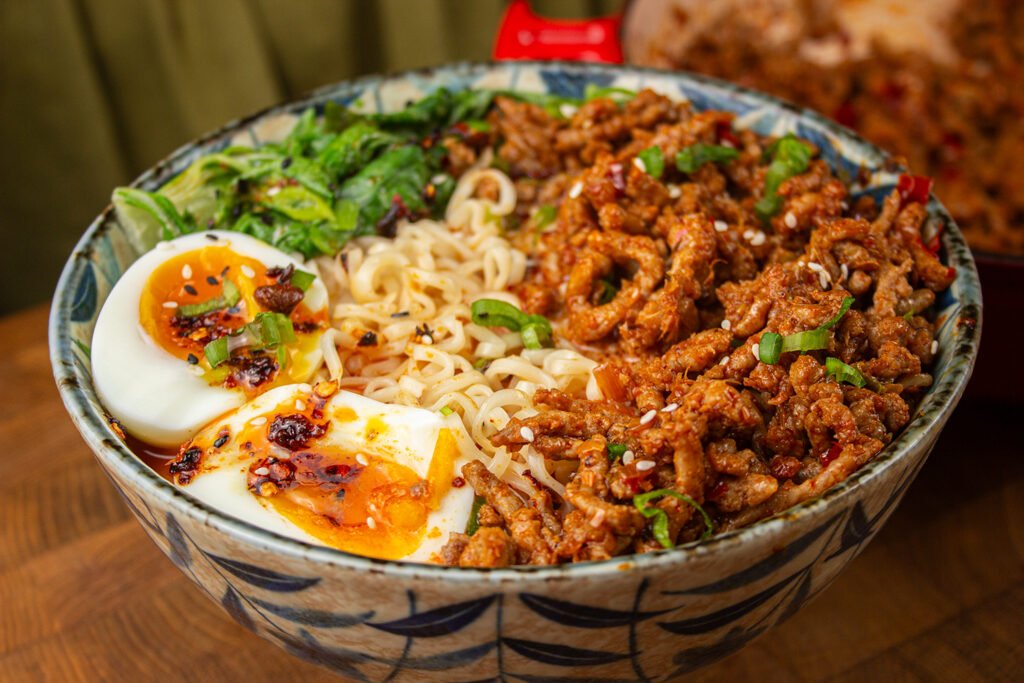
Watch Our Tantanmen Video Recipe
Prefer to watch the recipe on YouTube instead or just want something to follow along to?
Here is our step-by-step video recipe:
Easy Tantanmen With Pork Mince Recipe
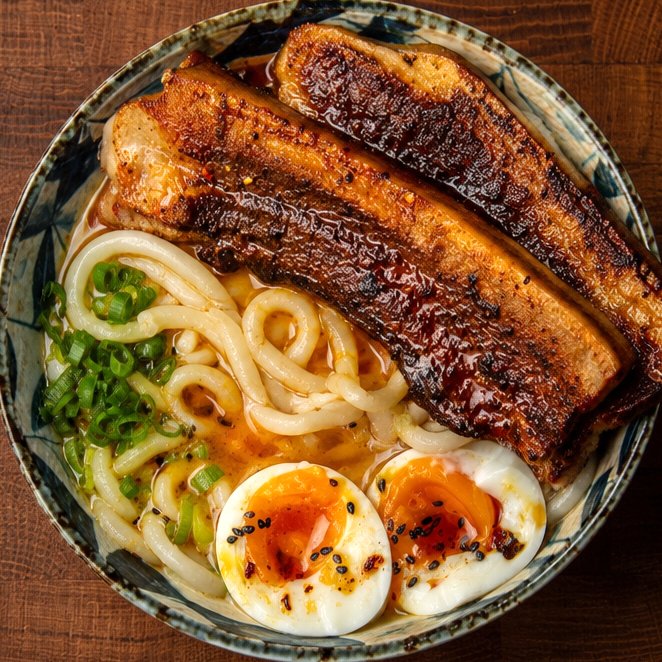
This cozy tantanmen is surprisingly approachable and perfect for a weekend lunch or a comforting dinner at home. After whisking together a savory tare, simmering a creamy broth, and cooking a spicy pork topping, the result is a rich, silky, gently fiery bowl of noodles that feels restaurant-quality but is made entirely at home.
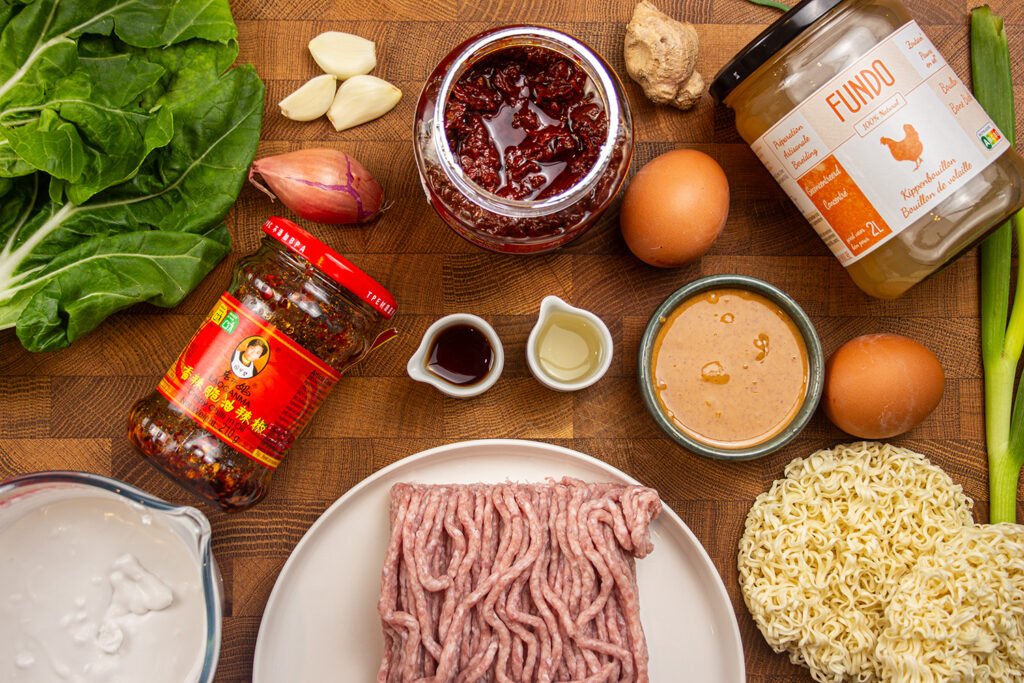
Ingredients for Tantanmen
- Noodles of your choice: I’ve made this recipe with both instant ramen cakes and wet udon noodles, both work great! These make up the heart of the bowl and give the soup something substantial and comforting to cling to.
- Pork mince: Tantanmen’s signature hearty topping. Fatty, savory, and full of flavor in every bite. You can substitute ground chicken if you want a lighter topping that still cooks up nicely.
- Shallot: Adds sweetness and soft aromatic depth as the pork topping cooks. You can substitute onion if needed because it will still create a flavorful base.
- Scallion whites: These bring a fresh onion note that cooks down into the pork mixture.
- Garlic: Adds warmth and a savory base note to both the pork and overall bowl. You can use garlic powder too (¼ tsp for each clove)
- Fresh ginger: Gives the pork topping freshness and a little gentle heat.
- Chinese doubanjiang: This brings fermented heat, salt, and a deep savory backbone to the pork mixture. You can substitute gochujang and it’s going to be delicious, but it does change the flavor a bit.
- Chinese cooking wine: Adds aroma and rounds out the pork as it cooks. You can substitute dry sherry because it gives a similarly warm, lightly nutty flavor.
- Light soy sauce: Seasons the pork topping without making it too heavy.
- Unsalted chicken fond + water: Forms the savory base of the broth and gives the soup body. You can substitute with a different stock or even a stock cube, but be careful because it can turn too salty very quickly.
- Coconut milk: Makes the broth creamy and softens the spicy edges.
- Bok choy: Eat your veggies kids
- Scallion greens: Add a fresh finish and a little color right before serving.
- Peanut butter: Gives the tare its creamy body and nutty depth. You can also use sesame paste instead.
- Rice vinegar: It adds brightness and rounds out the rich broth. You can substitute a small amount of mild white vinegar or even lemon juice if that’s what you have.
- Chili oil: Lao Gan Ma chili oil (or another chili oil/crunch with peanuts) adds nutty heat to the tare, and that glossy red warmth across the whole bowl. Make sure to finish the bowl with extra chili oil for a glossy Instaworthy look.
How to Make Tantanmen
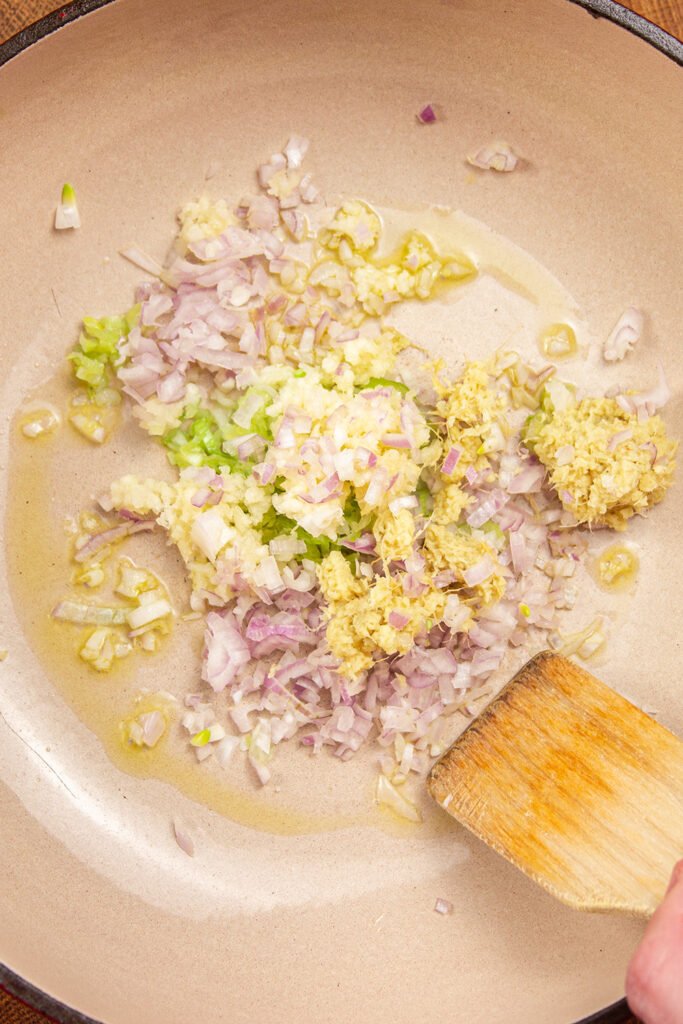
Step 1: In a frying pan, heat a little olive oil over medium heat. Add the shallot, garlic, scallion whites, and ginger, and cook for 3 to 4 minutes until softened and fragrant.
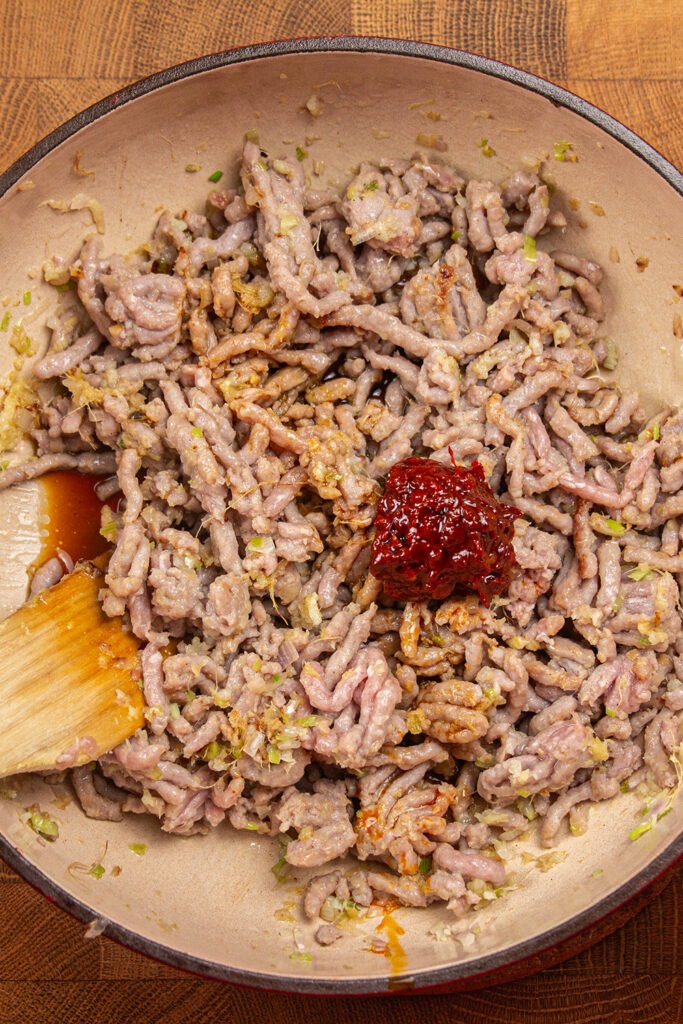
Step 2: Add the pork mince and cook for another 4 to 6 minutes, breaking it up with a wooden spoon, until browned and no longer pink.
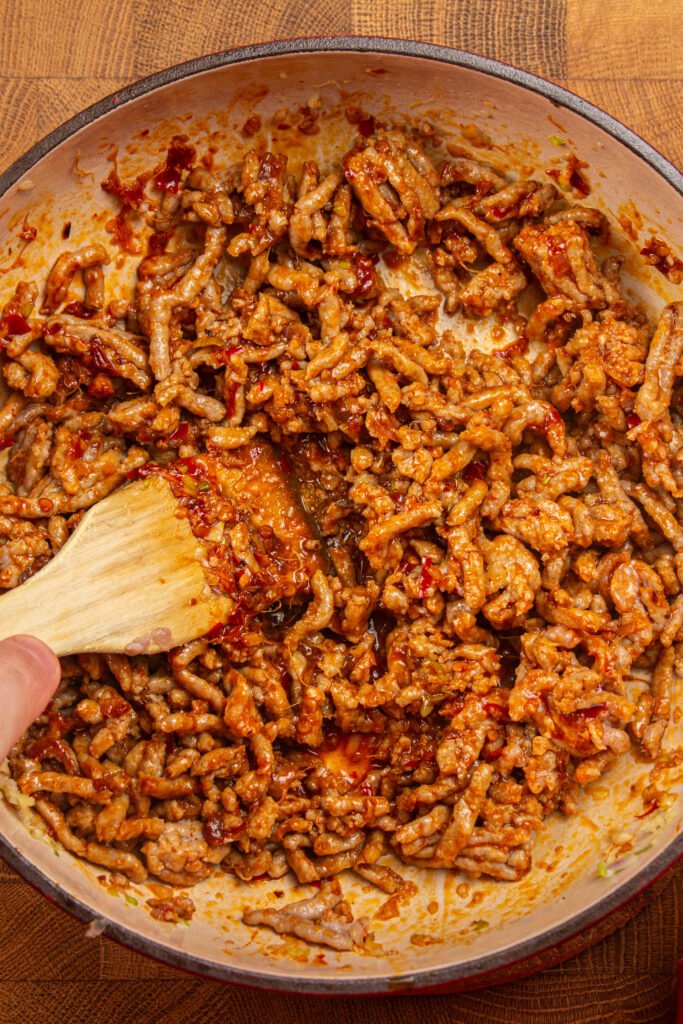
Step 3: Stir the doubanjiang, light soy sauce, and Chinese cooking wine into the pork mixture. Cook over medium heat for 1 to 2 minutes, until everything smells savory and the pork looks evenly coated, then set aside.

Step 4: In a saucepan over medium heat, combine the chicken stock, coconut milk, and extra chili oil. Bring to a gentle simmer, about 4 to 6 minutes. Keep the heat low once small bubbles appear around the edges so the broth stays smooth and creamy.
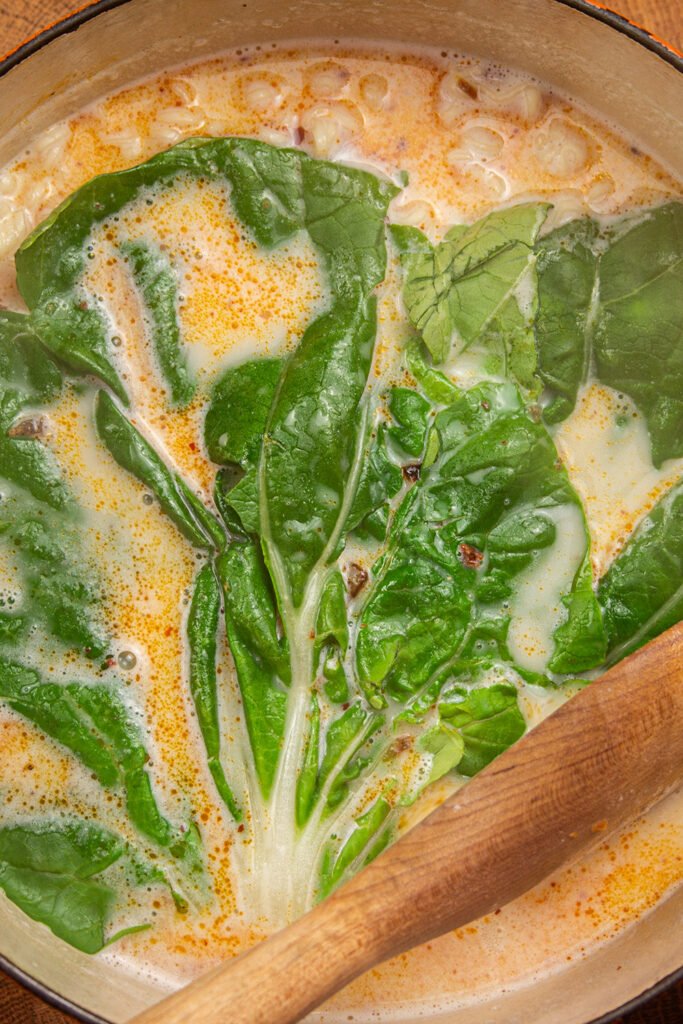
Step 5: Soft-boil the eggs for 6 minutes and cook the noodles according to the package instructions. During the last 1 minute of noodle cooking, add the bok choy and blanch until just softened and bright green.
Drain the noodles, eggs, and vegetables, then rinse briefly under cold water to stop the cooking.
Step 6: Whisk together the peanut butter, rice vinegar, soy sauce, and chili oil until smooth and glossy.
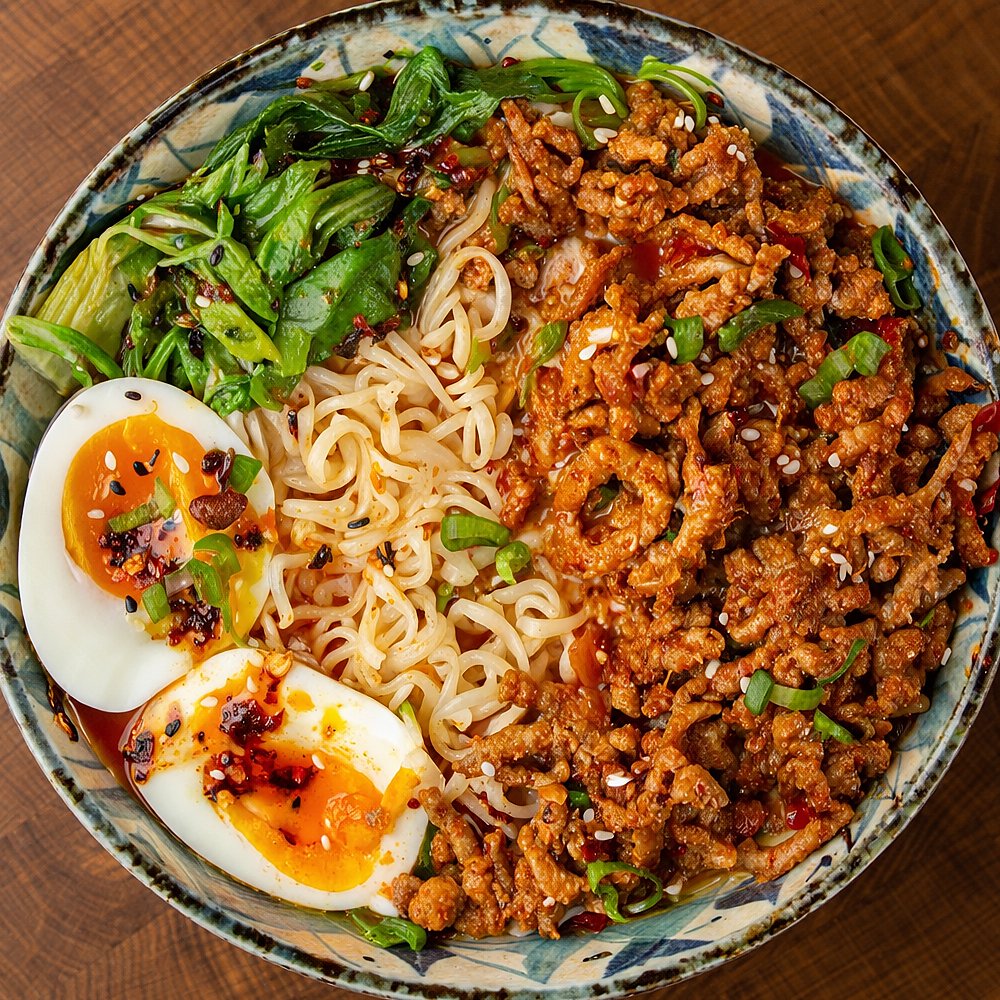
To assemble, divide the tare sauce between serving bowls, then pour in the hot broth until each bowl is about ¾ full. Add the noodles, then top with the pork mince mixture, greens, and halved soft-boiled eggs. Finish with scallion greens, sesame seeds, and extra chili oil if you fancy.
Substitute Pork Mince with Ground Chicken
Ground chicken works well here because it still cooks quickly, absorbs the doubanjiang and soy sauce beautifully, and keeps the topping savory and satisfying. Cook it the same way as the pork, breaking it up in the pan until browned and fully cooked through. The final bowl will taste a little lighter and slightly less fatty, and the topping may be a bit softer in texture.
Substitute Doubanjiang with Gochujang
Gochujang is a good substitute for doubanjiang when you still want that deep chile warmth and fermented savoriness in the pork topping. Use the same amount and stir it in just as you would the doubanjiang, letting it cook briefly with the soy sauce and Chinese cooking wine so it melts into the meat. The flavor will be a little sweeter, rounder, and less salty than doubanjiang, with slightly less sharp heat, so the final bowl will taste a bit softer and more mellow.
Tips for Making Tantanmen
Tip 1: Whisk the tare until completely smooth before assembling so it blends into the broth without little clumps.
Tip 2: Keep the broth at a gentle simmer, not a boil, so the coconut milk stays silky.
Tip 3: Use wet udon noodles for a chewy, clingy texture that transforms this bowl.
Make-Ahead Instructions
The pork topping and tare can be made up to 2 days in advance and stored separately in covered containers in the refrigerator. This works especially well because the flavors settle and deepen as they sit. Warm the broth fresh when you are ready to serve, then assemble the bowls just before eating for the best texture.
Storing Leftovers
Store leftovers in airtight containers in the refrigerator for up to 2 days, always keeping the broth and noodles + toppings separate. The noodles will continue to soften as they sit, and the broth may thicken slightly once chilled.
Freezing Instructions
Freezing is best for the broth and pork topping, not the fully assembled noodle bowls. Let both cool completely, then freeze in airtight freezer-safe containers for up to 2 months. After thawing, the broth may separate because of the coconut milk, but it should come back together with gentle reheating and stirring.
Reheating Instructions
Reheat the broth and pork topping gently on the stove over medium-low heat until hot. Stir the broth as it warms to help smooth it back out, and add a small splash of stock or water if it feels too thick. Warm fresh noodles separately or briefly dip leftover noodles in hot water to loosen them before serving.
Alternatively, assemble the bowl (everything but sliced scallion greens) and reheat in a microwave oven for 4-5 minutes at 300 W
Serving Suggestions
Serve this tantanmen with extra chili oil, scallion greens, and sesame seeds on top for an easy finish. A simple cucumber salad or quick pickled vegetables work nicely on the side because they bring a cool, crisp contrast to the rich broth. It also makes a really lovely dinner for a quiet night in when you want something comforting but still a little special.
Print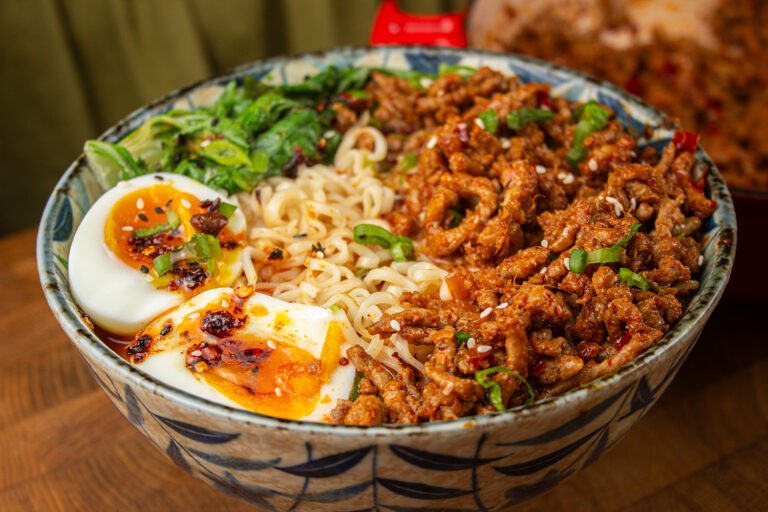
Tantanmen with Pork Mince
There are some recipes that become instant favorites, and then there are the quieter ones that stay a little under the radar while still earning a permanent place at the table. This tantanmen is that kind of dish for us. It is not the first thing people think of when they ask what we cook most, but every time we make it, we remember exactly why we love it.
- Total Time: 30 minutes
- Yield: 2 bowls 1x
Ingredients
- 2 servings noodles of your choice (I’ve used udon and instant ramen before)
- 2 soft-boiled eggs
- 2 tbsp peanut butter
- 1 tbsp rice vinegar
- 2 tbsp soy sauce
- 1 to 2 tbsp chili oil
- 200 g pork mince
- 1 tbsp Chinese doubanjiang
- 1 tbsp Chinese cooking wine
- 1 tbsp light soy sauce
- 1 garlic clove, minced
- 1 inch fresh ginger, grated
- 500 ml chicken stock
- 400 ml coconut milk
- 1 tbsp chili oil, optional
- 1 shallot, finely chopped
- scallion whites, sliced
- bok choy, blanched
- scallion greens, sliced for garnish
- sesame seeds for ganish
- extra chili oil for garnish
Instructions
- Heat the chicken stock and coconut milk in a saucepan over medium heat until gently simmering.
- Whisk together the peanut butter, rice vinegar, soy sauce, and chili oil in a bowl.
- In a frying pan, heat olive oil over medium heat and cook the shallot, garlic, scallion whites, and ginger for 3 to 4 minutes. Add the pork mince and cook until browned.
- Stir in the doubanjiang, light soy sauce, and Chinese cooking wine. Cook for 1 to 2 minutes, then set aside.
- Soft-boil the eggs for 6 minutes. Cook the noodles according to package instructions, adding the bok choy for the last minute. Drain and briefly rinse under cold water.
- Divide the tare between bowls, pour in the broth, then add noodles, vegetables, pork, and halved eggs. Finish with garnishes and serve.
- Prep Time: 15 minutes
- Cook Time: 15 minutes